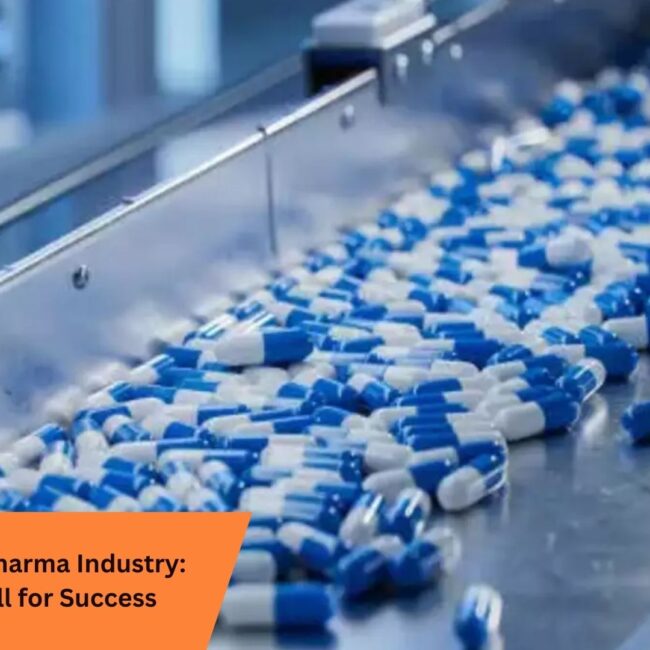


Odoo ERP for Petrochemical Industry: Controlling Feedstock Costs, Production Losses and Inventory Risks
Quick Answer
Odoo ERP can help petrochemical companies improve visibility across feedstock procurement, inventory movements, manufacturing costs and financial reporting. Its suitability depends on how well the system is configured for process manufacturing, batch traceability, quality controls and plant-level integrations. Companies should assess these requirements before implementation to reduce operational gaps and improve cost control.
Feedstock Cost Volatility and Production Control Challenges in the Petrochemical Industry
Petrochemical companies operate in a business environment where raw material prices, production conditions, energy consumption and customer demand can change significantly. Feedstock procurement decisions directly influence manufacturing costs, while variations in material consumption and production yield affect the profitability of individual products.
Managing these activities through disconnected spreadsheets, standalone applications and manually updated records can make it difficult for management to understand the actual cost of production. Procurement may record material purchases separately from warehouse movements, while production teams maintain consumption records outside the financial system. Finance teams then need to reconcile information from multiple sources before preparing reliable cost reports.
These gaps become more serious when a business operates multiple production lines, storage facilities, warehouses or distribution locations. Management may have access to purchase values and inventory quantities but still lack a consistent view of material consumption, production losses, stock valuation and product-wise profitability.
An ERP system should connect these business processes and establish consistent information flows. For petrochemical companies considering Odoo ERP, the evaluation should focus on whether its configuration and required extensions can support the organisation’s procurement, inventory, manufacturing, quality and financial control requirements.
The objective is not simply to digitise existing records. It is to establish a controlled operating environment in which decision-makers can identify cost variations, investigate material losses and assess operational performance using reliable business information.
Feedstock Procurement and Inventory Valuation Gaps Affecting Profitability
Feedstock is a major cost component in many petrochemical operations. Depending on the manufacturing process, companies may procure naphtha, natural gas, ethane, propane, additives, solvents and other raw materials. Purchase prices can vary according to supplier agreements, market conditions, transportation costs, quality specifications and delivery terms.
When procurement information is not connected with inventory and finance, the organisation may struggle to determine the actual cost of materials available for production.
For example, a purchase order may record the agreed material price, but additional costs such as freight, handling, insurance and other landed costs may be maintained separately. If eligible costs are not allocated correctly, inventory valuation and product costing may not reflect the full procurement expense.
Odoo provides purchasing, inventory and accounting capabilities that can be configured to connect procurement transactions with stock and financial records. Its landed-cost functionality may also help allocate eligible additional costs to inventory, subject to the selected configuration and accounting requirements.
A controlled procurement process should include:
- Approved supplier and purchase records.
- Defined material specifications and units of measurement.
- Purchase price and supplier agreement tracking.
- Goods receipt verification against purchase orders.
- Quality inspection before material acceptance, where required.
- Recording of rejected, damaged or non-conforming materials.
- Appropriate allocation of eligible landed costs.
- Reconciliation between received quantities, inventory records and supplier invoices.
These controls help management compare purchase costs, identify price variations and investigate differences between expected and actual material costs.
Procurement visibility is particularly important when companies purchase similar materials from multiple suppliers. Differences in quality, delivery terms, freight charges and purchase conditions can affect the actual cost of usable feedstock. Comparing only the supplier’s quoted price may therefore provide an incomplete picture.
An ERP-based procurement process can give finance and procurement teams a shared transaction history. However, an ERP system cannot independently determine whether a supplier’s material meets a specialised petrochemical specification. Inspection criteria, laboratory results, sampling procedures and acceptance rules must be defined by the business and supported through appropriate configuration or integration.
Production Yield and Material Consumption Controls Across Manufacturing Units
Production yield is a critical operational measure because it connects the quantity of material consumed with the quantity of usable output produced. Unexpected differences may result from process conditions, equipment performance, raw material quality, measurement inaccuracies, handling losses or recording errors.
If production teams record material consumption only at the end of a shift or through separate spreadsheets, managers may not identify deviations quickly enough to investigate their causes.
A manufacturing ERP configuration should connect planned production requirements with actual material issues, output quantities and production records. Odoo’s manufacturing capabilities include bills of materials, manufacturing orders and work-centre-related processes, depending on the selected edition and configuration.
For petrochemical companies, the implementation team must evaluate whether the required production model can be represented accurately. Discrete manufacturing workflows are not automatically equivalent to continuous or batch-based process manufacturing. Complex formulations, variable yields, co-products, by-products, process parameters and plant automation may require additional design, extensions or integration with specialised systems.
A practical production control framework should cover the following areas.
For example, if a production run consumes more feedstock than planned, the organisation should be able to investigate whether the difference came from inaccurate input measurements, material quality, process changes, unrecorded transfers or actual production loss.
The ERP system can provide the transaction records and reporting structure needed for this investigation. Accurate analysis still depends on reliable source data, agreed measurement methods and consistent production reporting.
Management should also define how production losses are classified. Normal process loss, abnormal loss, rejected output and rework should not be grouped into a single unexplained adjustment. Separate records make it easier to identify recurring issues and determine whether corrective action is required.
Batch Traceability and Quality Management Across Petrochemical Operations
Petrochemical businesses may need to trace raw materials, intermediate products and finished goods across procurement, storage, manufacturing and dispatch. Traceability becomes particularly important when a quality issue, customer complaint or supplier-related problem requires the organisation to identify affected material.
Without reliable lot or batch records, employees may need to search through purchase documents, warehouse registers, laboratory reports and dispatch records. This can delay investigations and make it difficult to establish which customers or production runs were affected.
Odoo’s lot and serial number functionality can support traceability workflows when configured appropriately. The implementation should define how batch information is created, captured, transferred and retained throughout the relevant business processes.
Important controls include:
- Assigning and recording supplier batch references during goods receipt.
- Linking accepted raw material lots to inventory locations.
- Recording material consumption against relevant production orders or batches.
- Maintaining traceability between input materials and finished products.
- Recording inspection status and quality-related decisions.
- Linking dispatch transactions with the relevant finished-product batches.
- Restricting the use of blocked or rejected stock through suitable controls.
- Maintaining records required for internal and customer audits.
Quality management needs more than a batch number. Petrochemical companies may need to capture laboratory test results, product specifications, inspection parameters, certificates and release approvals. The availability and suitability of these functions should be checked against the actual quality process. Where specialised laboratory information management systems are already in use, integration may be more appropriate than replacing them with general ERP records.
A well-designed traceability process helps teams investigate material issues and identify the transactions associated with affected batches. It does not replace statutory testing, laboratory procedures or industry-specific quality obligations.
Connecting Procurement, Warehousing, Manufacturing and Financial Reporting
Operational information becomes more useful when departments work from consistent records. Procurement needs visibility into material requirements, warehouse teams need accurate stock information, production managers need reliable material availability and finance teams need transactions that support inventory valuation and cost reporting.
When these functions operate independently, the business may encounter several reconciliation problems. Purchase quantities may differ from received quantities, warehouse transfers may not be reflected in production records, and material consumption may be posted to finance after operational reports have already been prepared.
An appropriately configured Odoo environment can connect purchasing, inventory, manufacturing and accounting workflows. The exact process depends on the business model, accounting setup, product configuration and implementation scope.
For example, an approved purchase order can provide the reference for receiving materials. A validated receipt can update stock records. Material issues can be recorded against manufacturing orders, while completed production transactions can update finished-goods inventory. Accounting entries can then reflect relevant inventory and valuation movements according to the configured costing and accounting methods.
For multi-location operations, warehouse and location structures should reflect the actual movement of materials. This includes supplier receipts, quality-hold areas, storage tanks where applicable, production staging, work-in-progress locations, finished-goods warehouses and dispatch areas.
The design must also account for the physical measurement environment. Petrochemical materials may be measured by weight, volume or other units, and temperature or density variations can affect conversion and reconciliation. If the business relies on tank gauges, weighbridges, flow meters or other plant instruments, the implementation should establish how their readings enter the ERP environment.
The objective is not simply to connect modules. It is to create a controlled transaction flow in which operational movements can be reconciled with inventory and financial records.
Odoo ERP Capabilities for Petrochemical Manufacturing and Distribution
Odoo offers a modular business management platform with applications covering areas such as purchasing, inventory, manufacturing, accounting, sales and maintenance. These capabilities may provide a foundation for petrochemical companies seeking to reduce disconnected business records.
However, the suitability of Odoo should be evaluated against the complexity of each organisation’s operations. A company distributing chemical products may have different requirements from a business operating continuous production processes, refineries or multiple processing units.
The following areas are relevant during an initial evaluation.
The central question is whether the selected Odoo architecture can meet the company’s operational requirements without creating excessive manual work or unreliable workarounds.
Integration Requirements for Plant Systems, Weighbridges and Quality Applications
Petrochemical operations often rely on specialised applications and equipment that perform functions beyond the scope of a general business management platform. These may include distributed control systems, supervisory control and data acquisition platforms, laboratory applications, tank measurement systems, weighbridges, maintenance platforms and production monitoring tools.
An ERP implementation should define which system owns each type of information and how the relevant data moves between systems.
For example, a weighbridge may capture vehicle weight during material receipt. The ERP may need the verified quantity to complete the goods receipt process. A laboratory application may hold test results, while the ERP maintains the material’s inventory status and associated transaction reference.
Similarly, plant systems may capture operational measurements that should not be manually re-entered into ERP records. Integration can reduce duplicate data entry, but it must be designed around data validation, security, exception handling and system availability.
Before implementation, companies should document:
- The applications and equipment currently used across plants and warehouses.
- The information each system creates and maintains.
- The system that acts as the authoritative source for each data type.
- Integration frequency and acceptable processing delays.
- Required data formats, units and validation rules.
- Exception handling when data is missing or inconsistent.
- User permissions and audit requirements.
- Responsibilities for integration monitoring and support.
Not every plant measurement needs to be transferred into the ERP. The integration scope should prioritise information required for procurement, inventory, production, quality, costing and management decisions.
Integration architecture also needs to address cybersecurity and operational continuity. Access permissions, authentication, data validation, error logging and recovery procedures should be defined before production systems are connected. An integration that transfers incorrect quantities or silently fails can create inventory and financial discrepancies rather than solve them.
Customization and Implementation Considerations for Petrochemical Companies
ERP implementation risk increases when the software is selected before the business has documented its actual processes. A standard demonstration may show how a purchase order, stock transfer or manufacturing order works, but it does not prove that the proposed configuration can support the company’s complete operating model.
Petrochemical companies should begin with a structured requirements assessment. This should cover the procurement process, material characteristics, warehouse structure, production methods, quality controls, costing policies, reporting needs and existing plant applications.
The assessment should distinguish between three implementation approaches.
Customization should be based on a documented business requirement, not simply on a preference to reproduce every feature of an existing application. Excessive modifications can increase testing effort, upgrade complexity, support requirements and long-term maintenance costs.
A phased implementation may reduce operational disruption. Companies can prioritise core master data, procurement, inventory and financial controls before extending the solution to more complex manufacturing and integration workflows. The final sequence should depend on operational dependencies and business risk.
Testing should include realistic scenarios such as partial receipts, rejected materials, stock transfers, batch consumption, production variance, returned goods, inventory adjustments and financial reconciliation. User acceptance testing should involve procurement, warehouse, production, quality and finance teams.
Training is equally important. Employees must understand not only which screens to use but also why accurate transaction entry matters. Incorrect units, incomplete batch references and delayed material issues can undermine reporting even when the ERP configuration is technically sound.
Evaluating Odoo ERP Suitability Against Petrochemical Business Requirements
Selecting an ERP platform is a business decision involving operational fit, implementation effort, integration requirements, cost and long-term support. Petrochemical companies should avoid making the decision solely on the basis of application demonstrations or a list of available modules.
A structured evaluation should compare business requirements with demonstrated system capabilities.
Start by identifying the processes that create the greatest operational and financial risk. These may include feedstock procurement, inventory valuation, production yield, batch traceability, quality release, warehouse reconciliation and plant-system integration.
Next, classify each requirement as standard functionality, configuration, customization or external integration. Ask the implementation team to demonstrate important workflows using realistic business scenarios and representative data.
The assessment should also cover the following considerations.
A useful evaluation should include a fit-gap document, implementation scope, integration architecture, project responsibilities, testing criteria and a clear estimate of ongoing support requirements.
The decision should be based on demonstrated process fit rather than broad claims that one ERP platform can address every petrochemical requirement. Where specialised process manufacturing, plant control or regulatory systems are essential, those systems may need to remain in place and exchange selected information with the ERP.
Improving Management Decisions Through Reliable ERP Information
The value of ERP information is measured by the quality of decisions it supports. Senior management needs more than transaction summaries. It needs consistent information that helps identify financial exposure, operational deviations and areas requiring corrective action.
For petrochemical companies, useful management reporting may include:
- Feedstock purchase price variations.
- Material consumption against production plans.
- Production yield and loss trends.
- Inventory quantities and valuation by location.
- Slow-moving, ageing or blocked inventory.
- Supplier delivery and quality performance.
- Batch-wise material movement and dispatch history.
- Product-wise production cost variations.
- Procurement, inventory and financial reconciliation exceptions.
These reports should be based on agreed definitions and reliable source transactions. For example, a production loss percentage is meaningful only when the company has defined the calculation method, relevant input quantities and treatment of normal process loss.
Management should also distinguish between operational indicators and financial measures. A warehouse quantity difference may require investigation, while a change in inventory valuation may arise from costing or accounting treatment. Combining these into one unexplained variance can lead to incorrect conclusions.
An ERP reporting framework should make it possible to trace important figures back to their underlying transactions. This allows department heads and finance teams to investigate exceptions rather than relying on manually prepared summaries.
Building a Practical ERP Roadmap for Petrochemical Operations
A successful ERP project begins with business priorities, not a predetermined list of software modules. Petrochemical companies should identify which operational gaps create the greatest financial exposure and build an implementation roadmap around those requirements.
The first step is to assess current processes. Document how feedstock is purchased, received, inspected, stored, issued to production and reconciled with financial records. Identify where information is duplicated, delayed or maintained outside the existing systems.
The second step is to define the required controls. These may include supplier approval, material specifications, goods receipt validation, batch tracking, production variance reporting, inventory reconciliation and financial approval workflows.
The third step is to assess the technology environment. List existing plant applications, equipment interfaces, laboratory systems, warehouse tools and reporting platforms. Decide which systems should remain authoritative for specialised operational information and which transactions should be shared with Odoo.
The fourth step is to validate the proposed solution. Use actual business scenarios to test purchasing, material receipts, quality holds, inventory movements, production consumption, finished-goods recording and financial postings. Document any gaps and agree whether they require configuration, customization or integration.
The fifth step is to prepare for adoption. Clean master data, establish user responsibilities, train employees and define support procedures. A technically successful implementation can still fail to deliver reliable information if employees do not follow the agreed transaction processes.
This roadmap gives decision-makers a practical basis for evaluating project scope, implementation effort and long-term operational suitability.
Conclusion: Controlling Petrochemical Costs Requires Connected Business Processes
Feedstock cost variations, production losses and inventory inaccuracies can affect profitability across petrochemical manufacturing and distribution operations. When procurement, warehousing, production, quality and finance operate through disconnected records, management may struggle to identify the causes of cost differences and take timely corrective action.
Odoo ERP may provide a foundation for connecting these business processes through purchasing, inventory, manufacturing and accounting workflows. However, petrochemical companies must validate its suitability against their actual production model, traceability requirements, measurement methods, quality procedures and plant-system integration needs.
The right implementation approach should distinguish standard capabilities from configuration, customization and external integration. It should also establish reliable transaction controls, clear ownership of operational data and reporting that supports management decisions.
Before selecting an ERP solution, companies should assess their current process gaps and test the proposed design against real operating scenarios. This reduces the risk of selecting a platform based only on demonstrations or general feature claims.
Frequently Asked Questions
Assess Odoo ERP for Your Petrochemical Operations
Improve visibility across feedstock procurement, production costs and inventory management. Request an Odoo consultation with Emerging Alliance to assess your ERP requirements, integration needs and implementation approach.