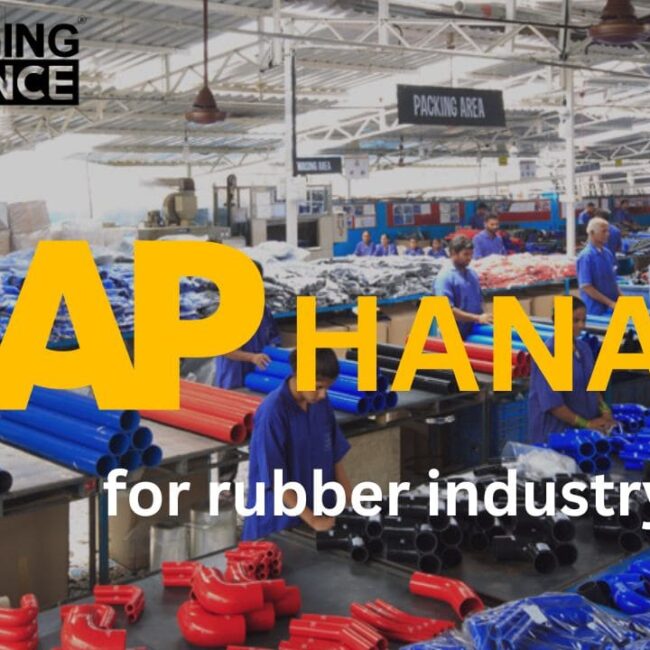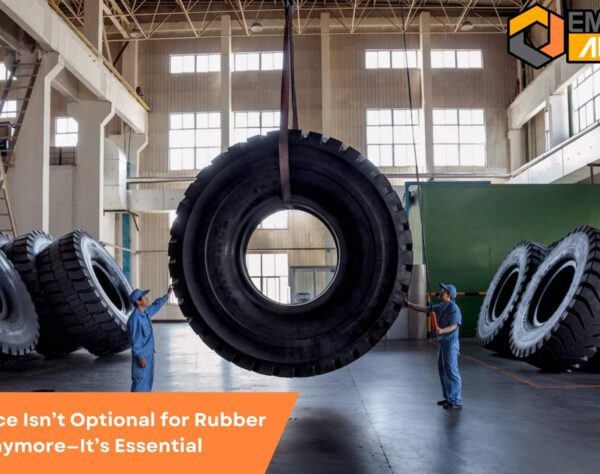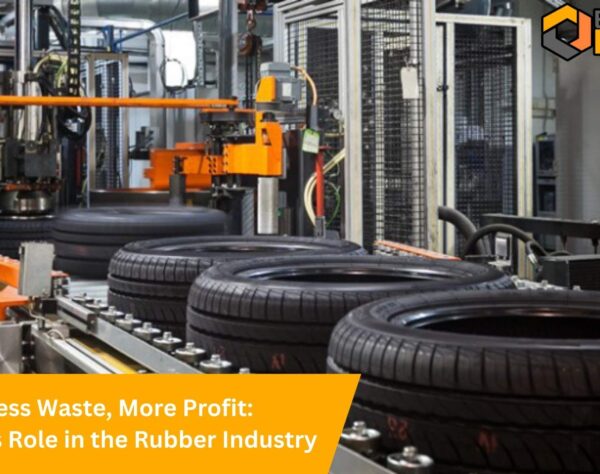

SAP for the Rubber Industry
Transforming Rubber Industry Competitiveness with SAP Solutions
Are you ready to witness a revolution in the rubber industry? Dive into the realm of innovation as we uncover six game-changing SAP Solutions reshaping the way rubber manufacturers operate. From streamlining production to boosting supply chain efficiency, these advancements are not just about staying competitive – they’re about thriving in today’s market. Join us on this journey as we delve into the transformative power of SAP technology, and discover how it can elevate your business’s efficiency and profitability in the rubber sector.
Material Resource Planning (MRP) Integration within SAP:
Inventory Management: Track and manage the availability of raw materials, components, and finished products used in rubber manufacturing. This feature helps optimize inventory levels, reduce stockouts, and minimize carrying costs.
Demand Forecasting: Utilize historical data, market trends, and customer orders to generate accurate demand forecasts. This assists in planning production schedules, procuring raw materials, and meeting customer demand more effectively.
Rubber Production Management via SAP:
Structured Bill of Materials (BOM): Define the hierarchical structure of rubber products and their constituent parts. This feature facilitates accurate production planning, material estimation, and resource optimization.
Shop Floor Control: Monitor and track the progress of production orders, manage work centers, and allocate resources efficiently. Real-time visibility into shop floor activities enables better production control and timely decision-making.
Quality Control in SAP for the Rubber Industry:
Quality Assurance: Define quality standards, specifications, and inspection criteria for rubber products. This feature ensures adherence to quality requirements and helps prevent defects and non-conformities.
Statistical Process Control (SPC): Analyze process data, perform statistical analysis, and implement control charts to monitor process stability and identify variations. SPC enables proactive quality management and continuous improvement.
Supply Chain Management (SCM) in SAP:
Procurement and Vendor Management: Streamline the procurement process, manage supplier relationships, and negotiate favorable terms for rubber materials sourcing. This feature optimizes the supply chain and reduces procurement lead times.
Logistics and Distribution: Optimize transportation routes, track shipments, and manage distribution networks. SCM features facilitate efficient delivery of rubber products, reducing transit times and ensuring customer satisfaction.
SAP Financial Management in Rubber Industry:
Cost Accounting: Track and analyze production costs, including direct materials, labor, and overheads associated with rubber manufacturing. This feature helps calculate accurate product costs and supports cost control efforts.
Financial Reporting: Generate financial statements, track revenue, expenses, and profitability, and ensure compliance with accounting standards and regulations.
Sales and Customer Relationship Management (CRM):
Order Management: Streamline the sales order process, from order creation to delivery and invoicing. This feature enables efficient order processing, improves customer satisfaction, and reduces order fulfillment time.
Customer Relationship Management: Maintain customer data, track interactions, and analyze sales patterns. CRM functionality supports effective customer engagement, personalized marketing campaigns, and long-term customer retention.
These are just a few of the key features in SAP systems that cater to the specific needs of the rubber industry. Implementing a robust SAP solution empowers rubber manufacturers to enhance operational efficiency, optimize resource allocation, improve quality control, and strengthen overall competitiveness in the market.
To learn more about our SAP services, please visit us at:https://emerging-alliance.net/
FAQs About SAP for Rubber Industry
1. What is the role of SAP in the rubber industry?
SAP provides integrated solutions that streamline production, supply chain, quality control, financial management, and customer relationship management, helping rubber manufacturers enhance efficiency, reduce costs, and stay competitive.
2. How does Material Resource Planning (MRP) work in SAP for rubber manufacturing?
MRP in SAP helps track inventory, manage raw materials and components, forecast demand, and plan production schedules to ensure timely availability of resources and reduce stockouts.
3. What is a Bill of Materials (BOM) in SAP, and why is it important for rubber production?
A BOM defines the hierarchical structure of rubber products and their components, enabling accurate production planning, material estimation, and resource optimization.
4. How can SAP help improve quality control in rubber manufacturing?
SAP supports quality assurance by defining product standards, inspection criteria, and implementing Statistical Process Control (SPC) to monitor process stability, prevent defects, and promote continuous improvement.
5. What SAP features optimize supply chain management in the rubber industry?
SAP’s SCM features include procurement and vendor management, logistics planning, distribution tracking, and supplier relationship optimization, ensuring efficient material sourcing and product delivery.
6. How does SAP Financial Management benefit rubber manufacturers?
SAP enables cost accounting to track production costs accurately, generate financial reports, monitor profitability, and ensure compliance with accounting standards, improving financial transparency and control.
7. Can SAP help streamline sales and customer management for rubber businesses?
Yes, SAP CRM and Order Management tools streamline order processing, maintain customer data, track interactions, and support personalized marketing, enhancing customer satisfaction and retention.
8. What is Statistical Process Control (SPC) in SAP, and how does it apply to rubber manufacturing?
SPC uses process data and control charts to monitor production processes, detect variations early, and enable proactive quality management, reducing waste and ensuring consistent product quality.
9. How does SAP support demand forecasting in the rubber industry?
SAP leverages historical sales data, market trends, and customer orders to predict future demand, helping manufacturers plan production, optimize inventory, and meet customer expectations effectively.
10. Why should rubber manufacturers consider implementing SAP solutions?
Implementing SAP solutions improves operational efficiency, quality control, resource management, financial oversight, and customer engagement, allowing rubber manufacturers to thrive in a competitive market.