
SAP Software for the Sugar Industry
Revolutionizing Sugar Production: The Impact of SAP Sofware in 2024
Welcome to the sugar revolution! In 2024, the sugar industry is undergoing a profound transformation thanks to SAP Software. From the sprawling sugar cane fields to the shelves of your local grocery store, SAP Systems is leaving its mark on every step of the journey. As we know sugar is one of the most important household items and indispensable raw material for various industries; hence a robust SAP software for the Sugar industry is of utmost importance. This blog post explores how the Sugar Industry utilizes the SAP System and how it can optimize operations to drive growth and success.
Streamlining Operations with SAP:
With SAP Solutions sugar manufacturers are streamlining their operations like never before. From managing inventory to optimizing production schedules, every aspect of the process is now smoother and more efficient. This means fewer delays, fewer errors, and ultimately, a higher quality product for consumers to enjoy.
Empowering Small Producers to Utilize SAP Systems:
In the past, large-scale sugar producers dominated the market, leaving small-scale farmers struggling to compete. But with SAP B1, the playing field is leveling out. Small producers now have access to the same advanced tools and insights as their larger counterparts, allowing them to compete on a more equal footing. This not only benefits these producers but also promotes diversity and sustainability within the industry as a whole.
Enhanced Supply Chain Management with SAP Software:
The sugar industry encompasses multiple stages, from procurement of raw materials to production, distribution, and sales. SAP systems integrate these processes, offering real-time visibility into the supply chain. This comprehensive view enables better planning, coordination, and tracking of inventory levels, ensuring that production is aligned with market demand. With accurate forecasting and inventory management, companies can minimize wastage, reduce stockouts, and optimize their overall supply chain efficiency.
Efficient Production Planning and Control of Sugar Industry:
Effective production planning and control are essential in the sugar industry to maximize output while minimizing costs. SAP Business One provides valuable tools for scheduling, resource allocation, and production monitoring. By automating and streamlining these processes, SAP B1 enables better utilization of resources, minimizes downtime, and improves overall productivity. With the ability to track performance metrics, companies can identify bottlenecks, optimize workflows, and enhance their production capabilities.
Integrated Financial Management in SAP:
Managing finances in the sugar industry involves dealing with complex cost structures, pricing strategies, and regulatory requirements. SAP Business One Software integrates financial management modules, enabling seamless tracking and management of financial transactions. This integration allows for accurate cost calculations, real-time financial reporting, and efficient management of accounts payable and receivable. By gaining greater visibility into financial data, businesses can make informed decisions, control costs, and improve overall profitability.
Optimal Quality Control:
Maintaining consistent product quality is crucial in the sugar industry, where slight variations can impact end-user satisfaction and brand reputation. SAP Business One provides robust quality control modules that help standardize processes, monitor product quality, and track compliance with industry regulations. By capturing and analyzing data at various production stages, companies can identify quality issues, implement corrective measures, and ensure consistent product quality, ultimately enhancing customer satisfaction and loyalty.
Data-Driven Decision Making:
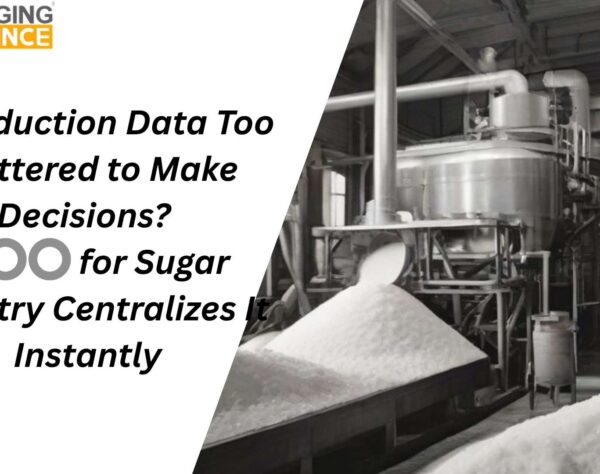
SAP Systems generate a wealth of data across different functions, providing valuable insights for decision-making. By leveraging analytics and reporting tools, businesses in the sugar industry can access real-time information on sales trends, production costs, inventory levels, and more. These insights enable data-driven decision-making, empowering managers to identify opportunities, mitigate risks, and optimize operations for better outcomes.
To learn more about our SAP services and solutions, visit us at: https://emerging-alliance.net
FAQs About SAP Software for Sugar Industry
1. How does SAP handle seasonal production variability in sugar mills?
SAP systems, particularly SAP Business One, can model seasonal production cycles by integrating historical crushing data, weather patterns, and cane availability forecasts. This enables mills to dynamically adjust production schedules and resource allocation during peak and off-season periods.
2. Can SAP track sugar recovery rates and improve yield efficiency?
Yes. SAP enables real-time tracking of recovery rates (sugar extracted per ton of cane) by integrating production data with quality metrics. This allows operators to identify inefficiencies in milling and refining processes and optimize yield.
3. How does SAP support by-product monetization like molasses and bagasse?
SAP allows multi-output production accounting, where primary and secondary outputs are tracked simultaneously. It helps assign cost structures and revenue streams to by-products such as molasses (for ethanol) and bagasse (for power generation), improving profitability analysis.
4. What role does SAP play in cane procurement and farmer management?
SAP can digitize farmer contracts, cane registration, and procurement scheduling. It ensures transparency in weighbridge data, payment calculations, and logistics coordination, reducing disputes and improving supplier relationships.
5. How does SAP ensure compliance with government regulations in the sugar industry?
SAP systems can be configured to align with region-specific regulations such as levy obligations, export quotas, and pricing controls. Automated reporting ensures timely compliance and reduces regulatory risk.
6. Can SAP integrate with IoT devices used in sugar mills?
Yes. SAP can integrate with IoT sensors installed in mills to capture real-time data on temperature, pressure, and machine performance. This supports predictive maintenance and reduces unplanned downtime.
7. How does SAP improve logistics for bulk sugar distribution?
SAP optimizes logistics by integrating warehouse management, transportation planning, and demand forecasting. It ensures efficient dispatch planning, route optimization, and real-time shipment tracking.
8. What financial complexities in sugar production can SAP address?
Sugar production involves fluctuating raw material costs, government subsidies, and variable pricing. SAP provides real-time cost accounting, margin analysis, and subsidy tracking to maintain financial control.
9. How does SAP support traceability from farm to finished sugar product?
SAP enables end-to-end traceability by linking batch data from cane procurement through production and distribution. This is critical for quality audits and regulatory compliance.
10. Is SAP scalable for cooperative sugar mills or only large enterprises?
While traditionally used by large enterprises, solutions like SAP Business One are designed for SMEs and cooperatives. They offer modular scalability, allowing smaller mills to start with core functionalities and expand as needed.